Have you ever opened a gift box, only to be confronted by an avalanche of "nice things" that will inevitably gather dust on a shelf? We’ve all been there—the recipient stares at the pile, contemplating not just the sheer volume of items, but the logistical nightmare of finding a place for them. Giving gifts should feel like unlocking joy, not initiating a deep dive into organizational debt. But how do you move past generic gift cards and novelty mugs to find truly thoughtful presents? The answer lies in shifting your focus from stuff to experience, skill, or story. If you’re looking for gifting ideas that spark conversation rather than clutter, this comprehensive guide is designed for you. We’ll explore methods, themes, and specific gift categories that ensure your thoughtful gesture leaves a lasting impression—the kind of memory people talk about long after the wrapping paper has been recycled.
The Psychology Behind Thoughtful Gifting
Before we jump into product recommendations, it's crucial to understand why certain gifts resonate. A truly impactful present taps into one of three areas: utility (something they need), pleasure (something fun), or self-expression (something that reflects their passions). When a gift falls into the "clutter zone," it usually fails on all three fronts, leaving behind only physical bulk and lingering guilt over the space it occupies.
Moving Beyond Materialism
The goal is to give items that are either consumed, used up, or actively engaged with. Think of your gift not as an object, but as a catalyst. It’s something that encourages the recipient to do something—to learn, to laugh, or to connect with others. This subtle shift in mindset is like trading a heavy anchor for a featherlight kite; the impact is far greater.
A brilliant metaphor for this concept is viewing your gift like an exclamation point rather than a period. A period simply ends a thought; an exclamation point makes people pause and say, "Wait, what was that?" That's the conversation starter we are after.
Experience Gifts: The Ultimate Anti-Clutter Solution
If you want gifting ideas that spark conversation rather than clutter, nothing beats giving an experience. These gifts require no storage space, only time and memories—and those are priceless. They represent shared moments, which is often the deepest form of connection we can give.
Adventures for the Soul
Experiences fall into categories ranging from high-adrenaline activities to quiet moments of reflection. The beauty of this type of gift is that it creates a joint narrative. Do you know someone who has always talked about wanting to try pottery? Or perhaps they’ve mentioned wanting to learn basic French? These observations are goldmines for thoughtful gifting.
Consider booking them an activity voucher:
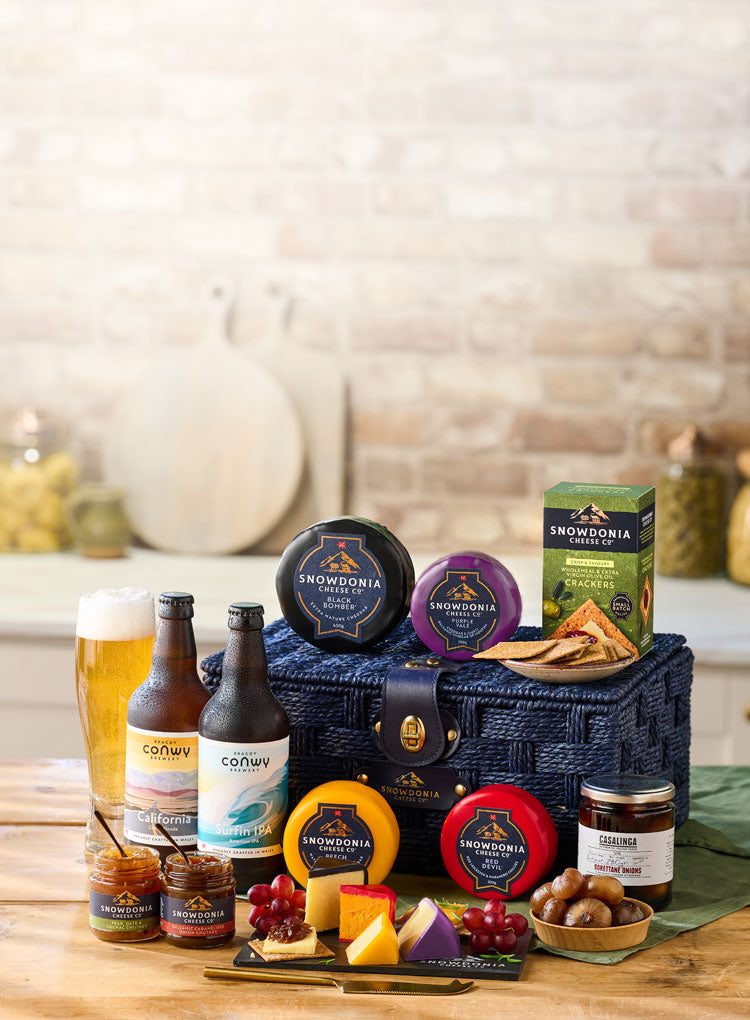
- A tasting menu at a local brewery or distillery. Tickets to a niche museum exhibit or play. A cooking class focused on a cuisine they love.
I once gifted a friend a mixology class after she complained about her lackluster weekend entertaining routine. She was absolutely delighted, and the resulting conversation wasn't about the gift itself, but about how amazing she felt mastering a new skill.
Shared Memories Through Time
Another powerful form of experiential gifting is "time." This doesn't mean money; it means dedicated, shared attention. If you know someone who lives far away or has been overwhelmed by routine, consider organizing an event—a backyard movie night, a joint charcuterie board making session, or even a coordinated video call with theme activities.
Skill & Knowledge: Gifts That Grow With Them
For the recipient who is always looking to improve themselves, physical objects are often secondary to intellectual stimulation. These gifts encourage self-development and are inherently conversation starters because they provide fresh topics of discussion for months to come.
Subscription Boxes (Curated Consumption)
While subscription boxes can sometimes lean toward clutter, certain ones focus on consumable goods or continuous learning materials, making them highly effective. Look for subscriptions that deliver:
- Specialty coffee beans from rotating global roasters. Artisan tea samples and brewing guides. Monthly book club selections paired with reading prompts.
These gifts are wonderful because they provide a recurring moment of anticipation—an ongoing conversation thread built into the gift itself.
Creative Workshops and Masterclasses
Consider gifting a "micro-credential" or workshop voucher (e.g., mastering bread baking, learning calligraphy, basic coding). This approach speaks to the part of the person that yearns for mastery. It shows you haven't just noticed what they have, but who they want to be. Don’t forget the sentiment behind it! As one gift-giving expert wisely noted, "The most valuable gifts are those that help someone become a better version of themselves."
Thoughtful Tangibles: When Objects Must Be Given
Sometimes, an object is necessary. But even when you must give physical items, how can they still avoid becoming mere decorative landfill? The key is hyper-specificity and integration. The item should feel like it was custom-made for their unique life, not bought off a general shelf.
Curated Collections Over Bulk Buying
Instead of buying five random scented candles (which will eventually run out or smell alike), curate a collection around one theme: "Cozy Autumn Reading Nook." This could include:
- A specific type of cozy throw blanket. A set of literary-themed bookmarks. A single, high-quality candle scent that evokes autumn woods.
This approach makes the item feel like part of a story or an atmosphere, giving it conversational weight from the outset. Do you find yourself shopping for objects, or are you truly shopping for feelings?
The Power of Localization and Personalization
To ensure your gift is never just another thing, localize it. If they love gardening, don't buy generic seed packets; track down seeds native to their specific region. If they enjoy local history, find a book written by an amateur historian about that town’s industrial past. These highly personalized touches demonstrate deep research and care, making the recipient feel seen—and conversation always starts with feeling seen.
Making Your Selection Count
Ultimately, gifting ideas that spark conversation rather than clutter are gifts of attention. They demonstrate that you listen when they talk about their passions, their dreams, and their potential hobbies. Remember to accompany your gift with a handwritten note that explains why you chose it. The explanation transforms an object from a random purchase into a deeply meaningful gesture.
By focusing on consumable experiences, developing skills, or highly curated objects that tell Father's Day Gift Baskets a story, you ensure the gift’s life cycle is one of engagement, joy, and lasting conversation—and zero dust bunnies to worry about. So, next time you're shopping, don't just ask "What do they need?" Ask: "What will this help them do or be?" This shift in perspective is your ultimate guide to giving gifts that truly matter.
